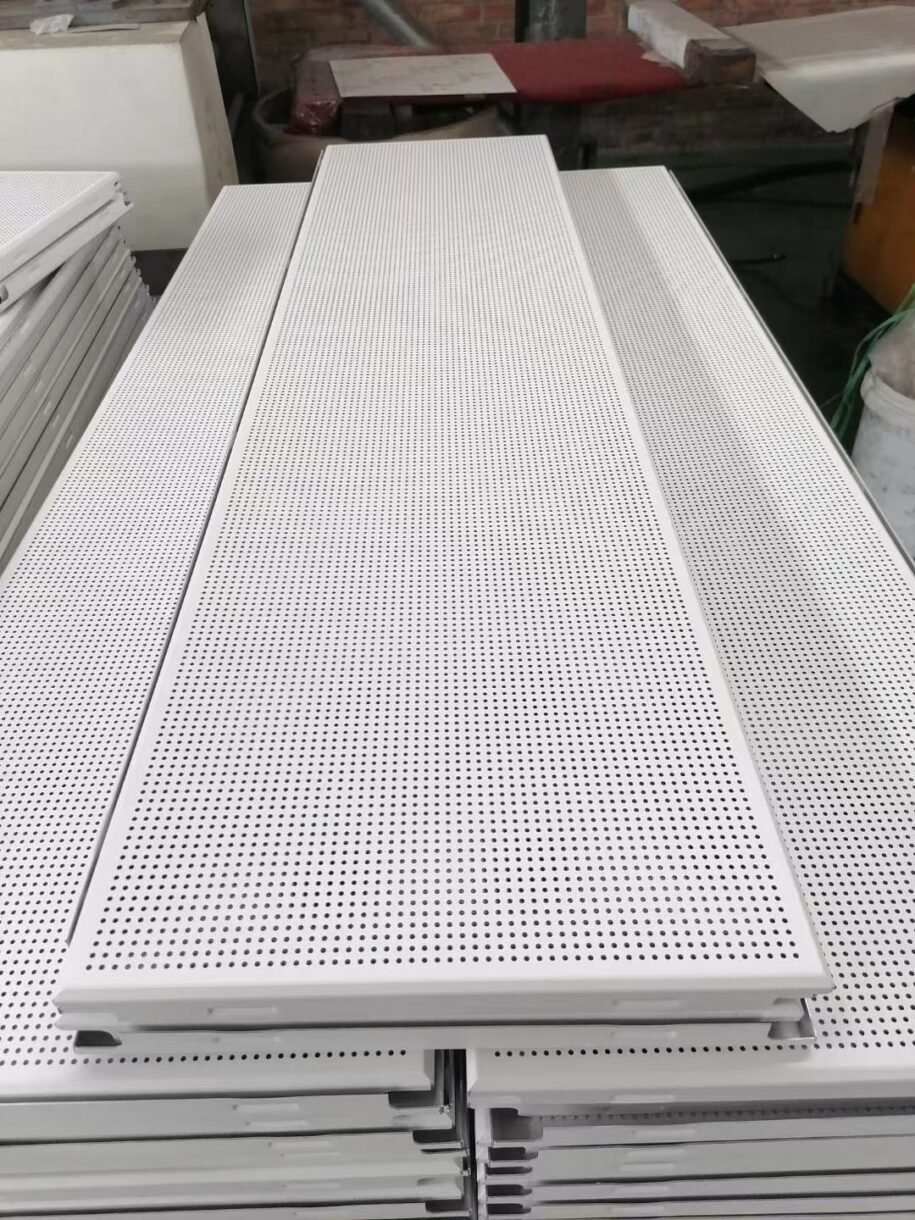





Tấm trần nhôm được sử dụng trong các văn phòng, bệnh viện, trường học, trung tâm thương mại, khách sạn, bến xe và các tòa nhà thương mại khác. Chúng mang lại bề mặt trần gọn gàng, đồng thời tạo điều kiện thuận lợi cho việc tiếp cận các hệ thống chiếu sáng, thông gió, phòng cháy chữa cháy và hệ thống điện phía trên trần.
Đối với các nhà nhập khẩu, nhà phân phối và nhà thầu dự án, việc lựa chọn tấm trần nhôm phù hợp không chỉ đơn thuần là chọn màu sắc. Kích thước tấm, độ dày, hệ thống lắp đặt, bề mặt hoàn thiện và điều kiện công trình đều ảnh hưởng đến chi phí, thẩm mỹ và tuổi thọ sử dụng.
Các kích thước phổ biến của tấm trần nhôm bao gồm 300 × 600 mm, 600 × 600 mm và 600 × 1200 mm. Độ dày tiêu chuẩn dao động từ 0,5 mm đến 1,2 mm. Ngoài ra, các kích thước, màu sắc, kiểu đục lỗ và bề mặt hoàn thiện theo yêu cầu cũng có thể được sản xuất để phục vụ các dự án kiến trúc.
Câu trả lời nhanh
Ba kích thước phổ biến của tấm trần nhôm là:
- 300 × 600 mm dành cho hành lang, nhà bếp, phòng tắm và các thiết kế trần có diện tích nhỏ gọn
- 600 × 600 mm dành cho văn phòng, trường học, bệnh viện và hệ thống khung trần thương mại tiêu chuẩn
- 600 × 1200 mm dành cho các không gian công cộng rộng lớn và các dự án yêu cầu ít đường nối lộ ra ngoài
Đối với các ứng dụng nội thất tiêu chuẩn, người ta thường chọn độ dày từ 0,5–0,7 mm. Các tấm có độ dày từ 0,8–1,0 mm mang lại độ cứng cao hơn cho các mô-đun có kích thước lớn và các dự án thương mại có yêu cầu khắt khe. Độ dày 1,2 mm có thể được lựa chọn trong trường hợp cần đảm bảo độ bền của tấm, kích thước lớn hoặc theo yêu cầu kỹ thuật của dự án.
Thông số kỹ thuật cuối cùng cần được xác định dựa trên kích thước tấm panel, hệ thống treo, phương pháp lắp đặt, áp lực gió, lối tiếp cận bảo trì và các yêu cầu của dự án.
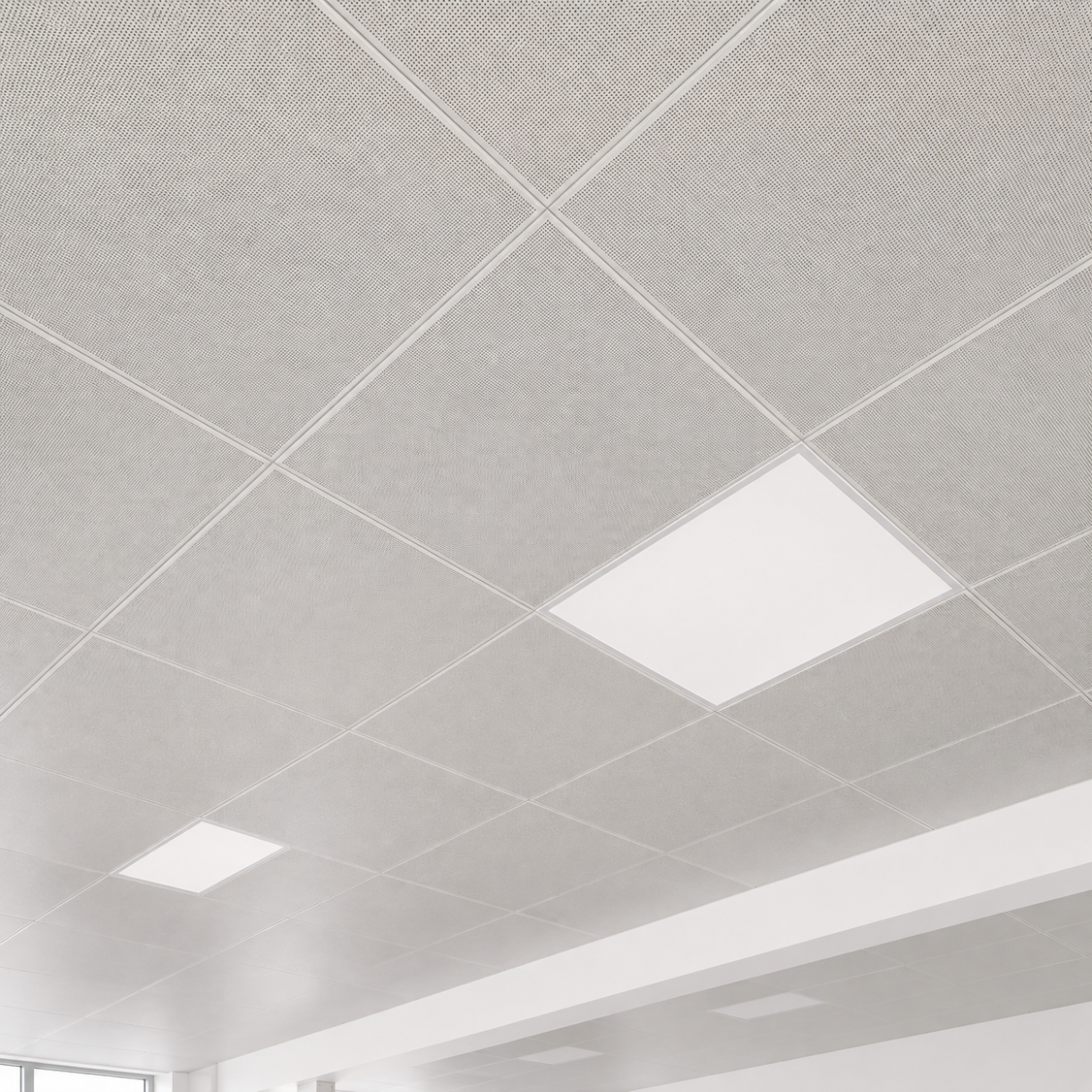
Các kích thước phổ biến của tấm trần nhôm
Tấm trần nhôm có sẵn với nhiều kích thước mô-đun khác nhau. Các mô-đun tiêu chuẩn giúp đơn giản hóa việc thiết kế, lắp đặt và thay thế trần.
| Kích thước bảng điều khiển | Các ứng dụng phổ biến | Các đặc điểm chính |
|---|---|---|
| 300 × 600 mm | Hành lang, nhà bếp, phòng tắm và các phòng nhỏ | Mô-đun nhỏ gọn và bố cục linh hoạt |
| 600 × 600 mm | Văn phòng, trường học, bệnh viện và các khu vực bán lẻ | Tương thích với các kiểu trần mô-đun phổ biến |
| 600 × 1200 mm | Sân bay, ga tàu, sảnh chờ và các không gian nội thất thương mại quy mô lớn | Ít mối nối hơn và tạo hiệu ứng thị giác thoáng đãng hơn |
Tấm ốp trần nhôm kích thước 300 × 600 mm
Tấm trần nhôm kích thước 300 × 600 mm có tỷ lệ hình chữ nhật, rất phù hợp với các phòng hẹp và không gian tuyến tính. Các nhà thiết kế có thể lắp đặt các tấm trần theo cùng một hướng để dẫn dắt ánh nhìn dọc theo hành lang hoặc kết hợp chúng với các mô-đun chiếu sáng và thông gió.
Định dạng này thường được chọn để:
- Các hành lang thương mại
- Nhà bếp và khu vực phục vụ
- Phòng vệ sinh
- Thiết kế nội thất cửa hàng bán lẻ
- Văn phòng nhỏ
- Các dự án cải tạo
Tấm trần nhôm kích thước 300 × 600 cũng có thể được cung cấp với bề mặt trơn, đục lỗ hoặc trang trí, tùy thuộc vào thiết kế trần.
Tấm trần nhôm kích thước 600 × 600 mm
Tấm trần nhôm kích thước 600 × 600 mm là một trong những kích thước phổ biến nhất cho hệ thống trần treo thương mại. Hình dạng vuông của tấm trần này phù hợp với các bố cục trần đều đặn và tương thích với hệ thống chiếu sáng, lỗ thoát khí, hệ thống phun nước chữa cháy và các nắp kiểm tra.
Các ứng dụng điển hình bao gồm:
- Tòa nhà văn phòng
- Các trường học
- Bệnh viện
- Trung tâm thương mại
- Khách sạn
- Phòng họp
- Các tòa nhà công cộng
Đối với các nhà nhập khẩu và nhà bán buôn, tấm trần nhôm kích thước 600 × 600 là một sản phẩm thiết thực vì kích thước này đã trở nên quen thuộc trên nhiều thị trường thương mại. Trước khi đặt hàng, người mua nên xác nhận kích thước thực tế của tấm trần và hệ thống treo phù hợp. Một hệ lưới trần có kích thước danh nghĩa 600 × 600 mm có thể yêu cầu tấm trần có kích thước sản xuất hơi khác một chút.
Tấm trần nhôm kích thước 600 × 1200 mm
Tấm trần nhôm kích thước 600 × 1200 mm tạo thành mô-đun trần lớn hơn với ít mối nối hơn. Sản phẩm này phù hợp với các hành lang rộng, sảnh đợi, khu vực triển lãm và các công trình công cộng, nơi thiết kế yêu cầu bề mặt trần phẳng và gọn gàng.
Các tấm lớn hơn đòi hỏi phải kiểm soát cẩn thận độ dày vật liệu, cấu trúc mép và khoảng cách giữa các điểm treo. Người mua nên cung cấp bản vẽ trần và các yêu cầu lắp đặt trước khi sản xuất.
Một tấm trần nhôm kích thước 600 × 1200 có thể cần chất liệu dày hơn so với tấm nhỏ hơn để đảm bảo độ phẳng trong quá trình vận chuyển, lắp đặt và sử dụng.
Độ dày của tấm trần nhôm
Phạm vi độ dày thông thường của tấm trần nhôm là 0,5–1,2 mm.
| Độ dày | Hướng dẫn chung về việc tuyển chọn |
|---|---|
| 0,5–0,6 mm | Các ứng dụng tiêu chuẩn cho trần nội thất khổ nhỏ |
| 0,7–0,8 mm | Các dự án thương mại đòi hỏi độ cứng cao hơn |
| 0,9–1,0 mm | Các tấm pin có kích thước lớn hơn hoặc các dự án có yêu cầu về độ bền cao hơn |
| 1,2 mm | Các mô-đun cỡ lớn, các công trình kiến trúc đặc biệt hoặc các dự án kiến trúc theo yêu cầu cụ thể |
Không nên chỉ dựa vào giá cả để lựa chọn độ dày. Hợp kim nhôm, kích thước tấm, thiết kế mép, mẫu đục lỗ và khoảng cách giữa các điểm treo cũng ảnh hưởng đến độ bền của tấm.
Ví dụ, một tấm trần nhôm trơn có kích thước nhỏ có thể vẫn đảm bảo độ ổn định ngay cả khi có độ dày mỏng hơn, trong khi tấm panel đục lỗ kích thước 600 × 1200 mm có thể cần tấm nhôm dày hơn hoặc viền gia cố. Cần kiểm tra mẫu sản phẩm và bản vẽ kỹ thuật trước khi xác nhận đơn hàng số lượng lớn.
Tấm trần nhôm lắp ghép và kẹp
Tấm trần nhôm có thể được sản xuất để phù hợp với các hệ thống lắp đặt khác nhau. Hai phương án phổ biến là trần lắp đặt kiểu đặt vào và trần lắp đặt kiểu kẹp.
Tấm trần nhôm lắp ghép
Các tấm trần nhôm lắp ghép được đặt trên hệ khung trần lộ ra ngoài. Có thể tháo từng tấm riêng lẻ để tiếp cận các hệ thống kỹ thuật của tòa nhà.
Hệ thống này phù hợp với các dự án trong những trường hợp sau:
- Cần phải tiến hành bảo trì thường xuyên
- Có thể chấp nhận được việc sử dụng lưới mô-đun hiển thị rõ ràng
- Tốc độ cài đặt là yếu tố quan trọng
- Các tấm ốp trần có thể cần được thay thế định kỳ
Tấm trần nhôm dạng kẹp
Các tấm trần nhôm lắp ghép được cố định vào các thanh đỡ ẩn. Hệ thống này tạo ra bề mặt trần phẳng hơn với ít đường lưới lộ ra ngoài hơn.
Tùy chọn này thường được sử dụng trong:
- Sân bay và ga tàu
- Bệnh viện
- Sảnh văn phòng
- Trung tâm thương mại
- Các công trình công cộng có lưu lượng người qua lại cao
Các tấm panel phải được cung cấp kèm theo giá đỡ và phụ kiện lắp đặt phù hợp. Việc kết hợp các tấm panel và bộ phận treo từ các hệ thống khác nhau có thể gây ra các vấn đề về độ thẳng hàng và lắp đặt.
Tấm trần nhôm đục lỗ dùng để hấp thụ âm thanh
Tấm trần nhôm đục lỗ có thể giúp giảm phản xạ âm thanh và kiểm soát hiện tượng dội âm trong các không gian nội thất thương mại. Các lỗ đục trên tấm trần cho phép sóng âm đi qua bề mặt kim loại và đi vào vật liệu cách âm được lắp đặt phía sau tấm trần. Một phần năng lượng âm thanh sau đó sẽ được hấp thụ thay vì bị phản xạ trở lại phòng.
Chỉ riêng tấm nhôm đã có khả năng hấp thụ âm thanh hạn chế. Hiệu suất cách âm của nó chủ yếu phụ thuộc vào toàn bộ hệ thống trần, bao gồm:
- Đường kính lỗ và kiểu đục lỗ
- Diện tích lỗ thủng mở
- Mô âm học
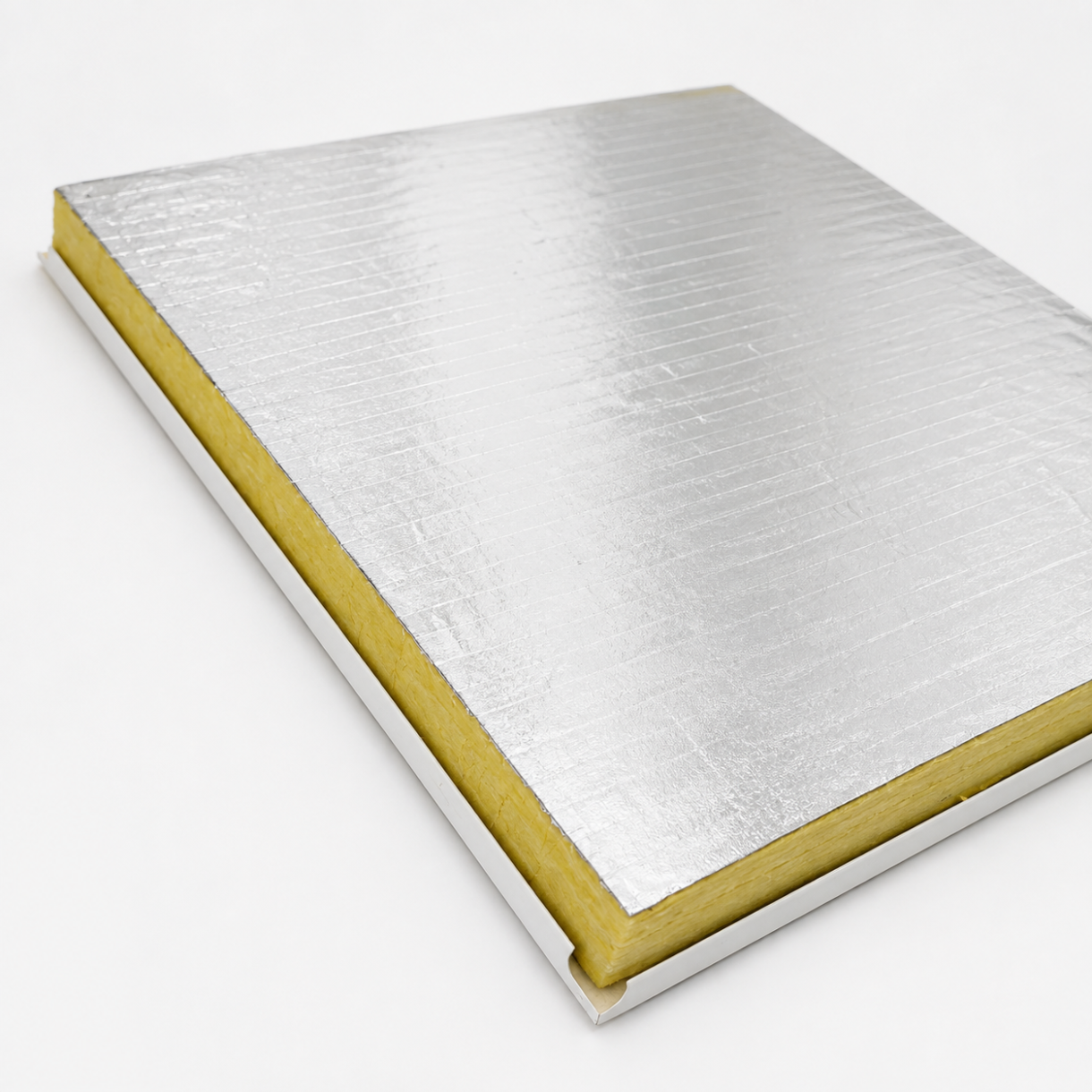
- Lớp lót bằng sợi thủy tinh hoặc len đá
- Độ dày và mật độ của vật liệu cách âm
- Khoang khí phía trên trần nhà
- Phương pháp lắp đặt
Tấm trần cách âm bằng nhôm đục lỗ phù hợp cho các văn phòng, trường học, bệnh viện, phòng họp, sân bay, ga tàu, trung tâm thương mại và các không gian khác nơi cần vừa trang trí trần nhà vừa kiểm soát tiếng ồn.
Các lựa chọn phổ biến bao gồm tấm trần nhôm đục lỗ siêu nhỏ, tấm trần đục lỗ tròn và các mẫu đục lỗ theo yêu cầu. Kích thước tấm, độ dày, mẫu lỗ và lớp lót cách âm có thể được lựa chọn tùy theo thiết kế của dự án.
Khi cần một chỉ số NRC hoặc chỉ số hấp thụ âm thanh cụ thể, người mua nên yêu cầu dữ liệu thử nghiệm âm học cho toàn bộ hệ thống trần. Không nên đánh giá hiệu suất của tấm kim loại một cách tách biệt với vật liệu lót phía sau và khoang trần.
Các dự án yêu cầu khả năng hấp thụ âm thanh cao hơn có thể xem xét sử dụng một Tấm trần composite nhôm cách âm, kết hợp bề mặt nhôm đục lỗ với sợi thủy tinh, len đá hoặc một loại lõi cách âm khác.
Các loại bề mặt hoàn thiện và tùy chọn màu sắc
Bề mặt hoàn thiện ảnh hưởng đến thẩm mỹ, độ bền và việc bảo trì. Các loại bề mặt hoàn thiện phổ biến cho tấm trần nhôm bao gồm:
- Sơn bột polyester
- Lớp phủ PVDF theo yêu cầu
- Hoàn thiện vân gỗ
- Hiệu ứng bề mặt kim loại chải
- Màu trắng trơn
- Màu sắc tùy chỉnh dựa trên mẫu của dự án hoặc bảng màu tham chiếu
Màu trắng thường được sử dụng trong các văn phòng, bệnh viện và trường học vì nó giúp không gian nội thất trở nên sáng sủa. Các tông màu đen, xám, vân gỗ và các bề mặt kim loại thường được áp dụng trong các không gian bán lẻ, khách sạn, nhà hàng và các công trình giao thông.
Đối với các dự án có nhiều lô sản xuất, người mua nên xác nhận mẫu màu trước khi tiến hành sản xuất hàng loạt. Cùng một tên màu được ghi bằng văn bản có thể trông khác nhau tùy theo các điều kiện ánh sáng hoặc hệ thống sơn phủ khác nhau.
Cách chọn tấm trần nhôm cho một dự án
Một bản yêu cầu kỹ thuật rõ ràng sẽ giúp giảm thiểu sai sót trong quá trình lập báo giá và sản xuất.
Vui lòng cung cấp các thông tin sau cho nhà sản xuất:
- Kích thước bảng điều khiển
- Độ dày vật liệu
- Hệ thống trần
- Bề mặt hoàn thiện và màu sắc
- Bề mặt trơn hoặc có lỗ
- Mẫu lỗ đục
- Số lượng yêu cầu
- Bản vẽ trần nhà
- Phụ kiện lắp đặt
- Yêu cầu về đóng gói và vận chuyển
Vị trí dự án cũng là yếu tố quan trọng. Độ ẩm trong nhà, các yêu cầu về vệ sinh, loại công trình và các tiêu chuẩn địa phương có thể ảnh hưởng đến thông số kỹ thuật cuối cùng.
Bạn có thể tham khảo thêm các lựa chọn trần nhà tại Dòng sản phẩm tấm nhôm hoặc xem toàn bộ dòng sản phẩm.
Những yếu tố cần lưu ý khi mua hàng dành cho các nhà nhập khẩu và nhà phân phối
Các nhà nhập khẩu và nhà phân phối nên so sánh các báo giá dựa trên thông số kỹ thuật đầy đủ, thay vì chỉ dựa vào giá mỗi mét vuông.
Kiểm tra xem báo giá có bao gồm các nội dung sau đây không:
- Độ dày tấm nhôm
- Thông số kỹ thuật về hợp kim hoặc vật liệu
- Xử lý bề mặt
- Hệ thống treo
- Phụ kiện
- Phương pháp đóng gói
- Dung sai về số lượng
- Quy trình phê duyệt màu sắc
- Thời gian sản xuất
- Điều khoản vận chuyển
Một báo giá thấp có thể không bao gồm các bộ phận truyền động, các chi tiết hoàn thiện hoặc các bộ phận lắp đặt khác. Sự chênh lệch về độ dày thực tế và lớp phủ cũng có thể ảnh hưởng đến chi phí cuối cùng.
Đối với việc mua sỉ tấm trần nhôm, quý khách nên yêu cầu mẫu thử trước khi xác nhận đơn hàng container. Mẫu thử này có thể được sử dụng để kiểm tra màu sắc, độ phẳng, chi tiết mép, chất lượng bề mặt và khả năng tương thích với hệ thống trần đã chọn.
Sản xuất tấm trần nhôm theo yêu cầu
Các kích thước tiêu chuẩn đáp ứng nhiều yêu cầu thương mại, nhưng một số dự án cần có kích thước, lỗ đục hoặc bề mặt hoàn thiện đặc biệt.
Việc sản xuất tấm trần nhôm theo yêu cầu có thể bao gồm:
- Chiều rộng và chiều dài bảng điều khiển tùy chỉnh
- Độ dày từ 0,5 mm đến 1,2 mm
- Màu sắc tùy chỉnh
- Các họa tiết đục lỗ
- Lớp hoàn thiện vân gỗ
- Phụ kiện hệ thống treo phù hợp
- Sản xuất theo mô hình OEM và ODM
- Đóng gói theo dự án
Bản vẽ giúp nhà sản xuất xác nhận kích thước tấm ốp, chi tiết mép, phương pháp lắp đặt và việc sử dụng vật liệu. Đối với công việc cải tạo, mẫu hiện có cũng có thể được dùng làm tài liệu tham khảo.
XIAO HENG cung cấp các hệ thống trần nhôm cho các dự án thương mại và kiến trúc. Các nhà nhập khẩu, nhà phân phối, nhà thầu và người mua dự án có thể gửi bản vẽ, kích thước và số lượng để được xem xét.
Liên hệ với đội ngũ dự án của chúng tôi để yêu cầu mẫu sản phẩm, thông số kỹ thuật hoặc báo giá.
Các câu hỏi thường gặp
Các kích thước tiêu chuẩn của tấm trần nhôm là gì?
Các kích thước phổ biến của tấm trần nhôm là 300 × 600 mm, 600 × 600 mm và 600 × 1200 mm. Có thể sản xuất các kích thước theo yêu cầu tùy theo bố cục trần nhà.
Độ dày thông thường của tấm trần nhôm là bao nhiêu?
Phạm vi độ dày tiêu chuẩn là 0,5–1,2 mm. Độ dày phù hợp phụ thuộc vào kích thước tấm, thiết kế mép, hệ thống lắp đặt và yêu cầu của dự án.
Kích thước tấm trần nhôm nào là phổ biến nhất?
Tấm trần nhôm kích thước 600 × 600 mm thường được sử dụng trong các văn phòng, trường học, bệnh viện và tòa nhà thương mại vì nó phù hợp với các bố cục trần mô-đun.
Có loại tấm trần nhôm có lỗ đục không?
Đúng vậy. Tấm trần nhôm đục lỗ có thể được cung cấp kèm theo lớp vải cách âm hoặc lớp lót hấp thụ âm thanh. Kích thước lỗ, mẫu đục lỗ và vật liệu lớp lót cần được xác nhận trước khi sản xuất.
Có thể tùy chỉnh tấm trần nhôm không?
Đúng vậy. Kích thước, độ dày, màu sắc, bề mặt hoàn thiện, các lỗ đục và hệ thống lắp đặt đều có thể được tùy chỉnh theo yêu cầu đối với các đơn hàng bán buôn và đơn hàng dự án.
Cần những thông tin nào để lập báo giá?
Vui lòng cung cấp kích thước tấm, độ dày, bề mặt hoàn thiện, màu sắc, hệ thống lắp đặt, số lượng, địa điểm dự án và bản vẽ. Xin nêu rõ liệu có cần các thanh đỡ, viền trang trí và các phụ kiện khác hay không.