





Custom Aluminum Wall Panels: Great Wall and Wave Profiles
Aluminum Alloy Great Wall Panels use repeated raised ribs and recessed grooves to create linear wall cladding for interior and exterior commercial projects. Profile dimensions, panel length, aluminum thickness, colors and finishes can be customized according to project drawings.
Our aluminum wall panel range includes flat panels, Aluminum Great Wall Panels and Aluminum Wave Panels. Panel width, rib height, wave pitch, length, color and surface finish can be produced according to project drawings.
For contractors, distributors and project buyers, we provide drawing review, sample confirmation, OEM/ODM production and export packaging.
Three Aluminum Wall Panel Profiles
Flat Aluminum Wall Panels
Flat aluminum wall panels create a clean surface with clear joints. They are suitable for façades, entrance walls, columns, corridors, lobbies and interior feature walls.
The panels can be fabricated with folded edges, stiffeners, mounting brackets and project-specific openings. Panel dimensions and fixing methods should be confirmed according to the wall structure, wind-load requirements and installation drawings.
Aluminum Great Wall Panels
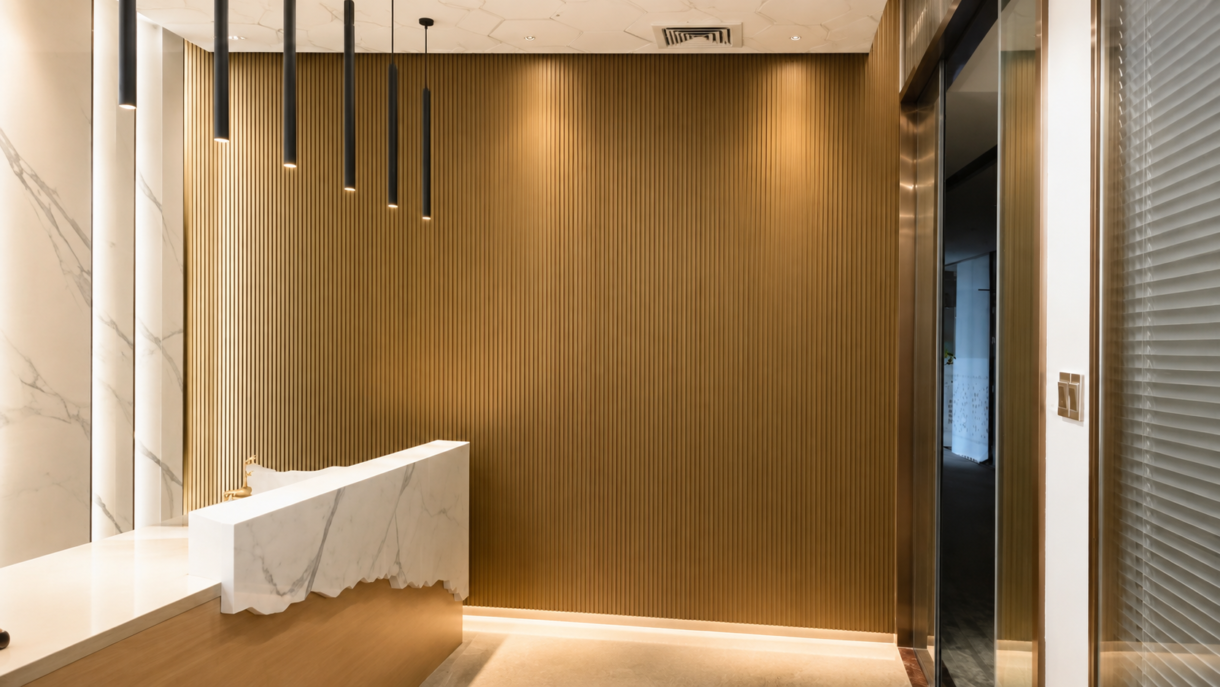
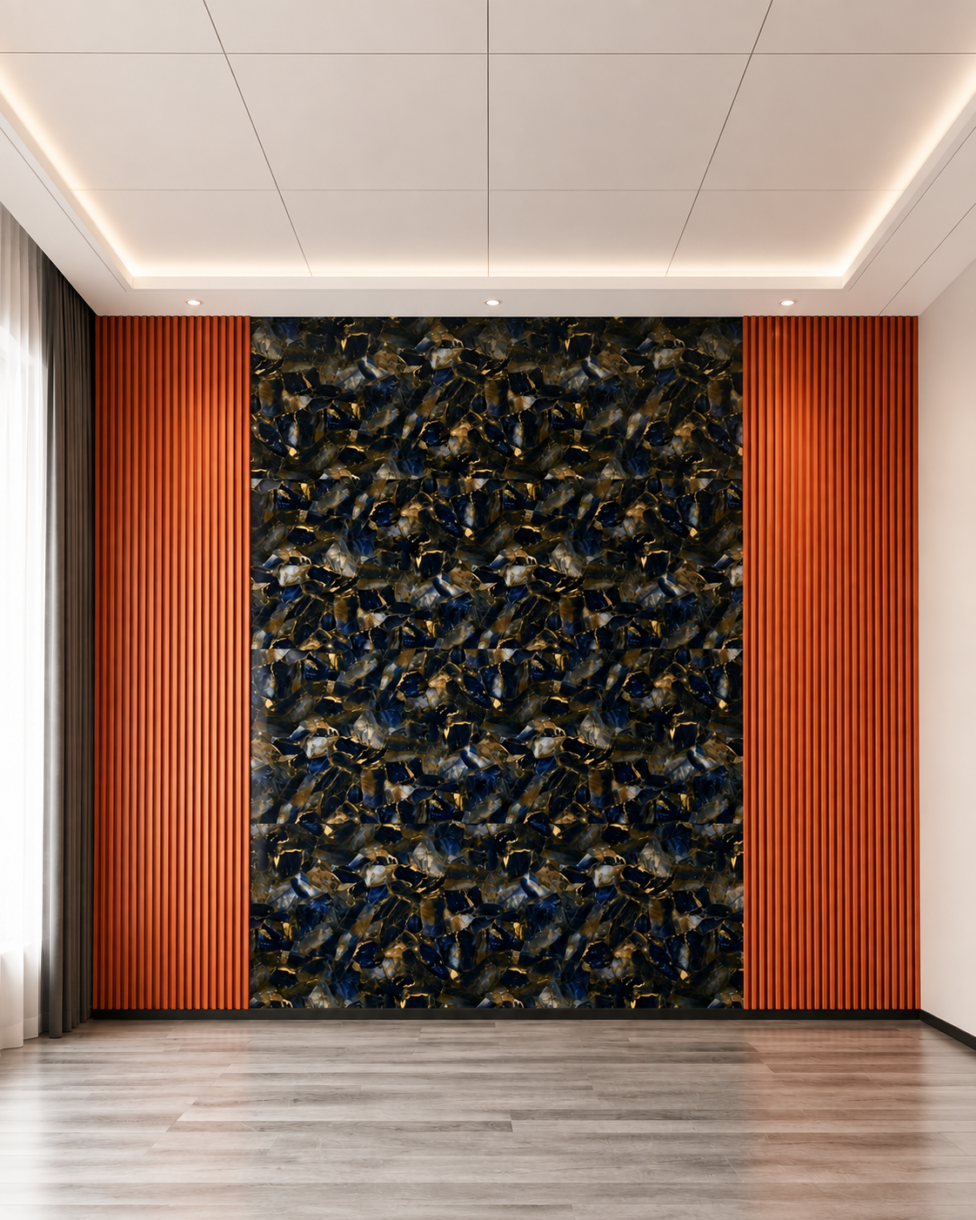
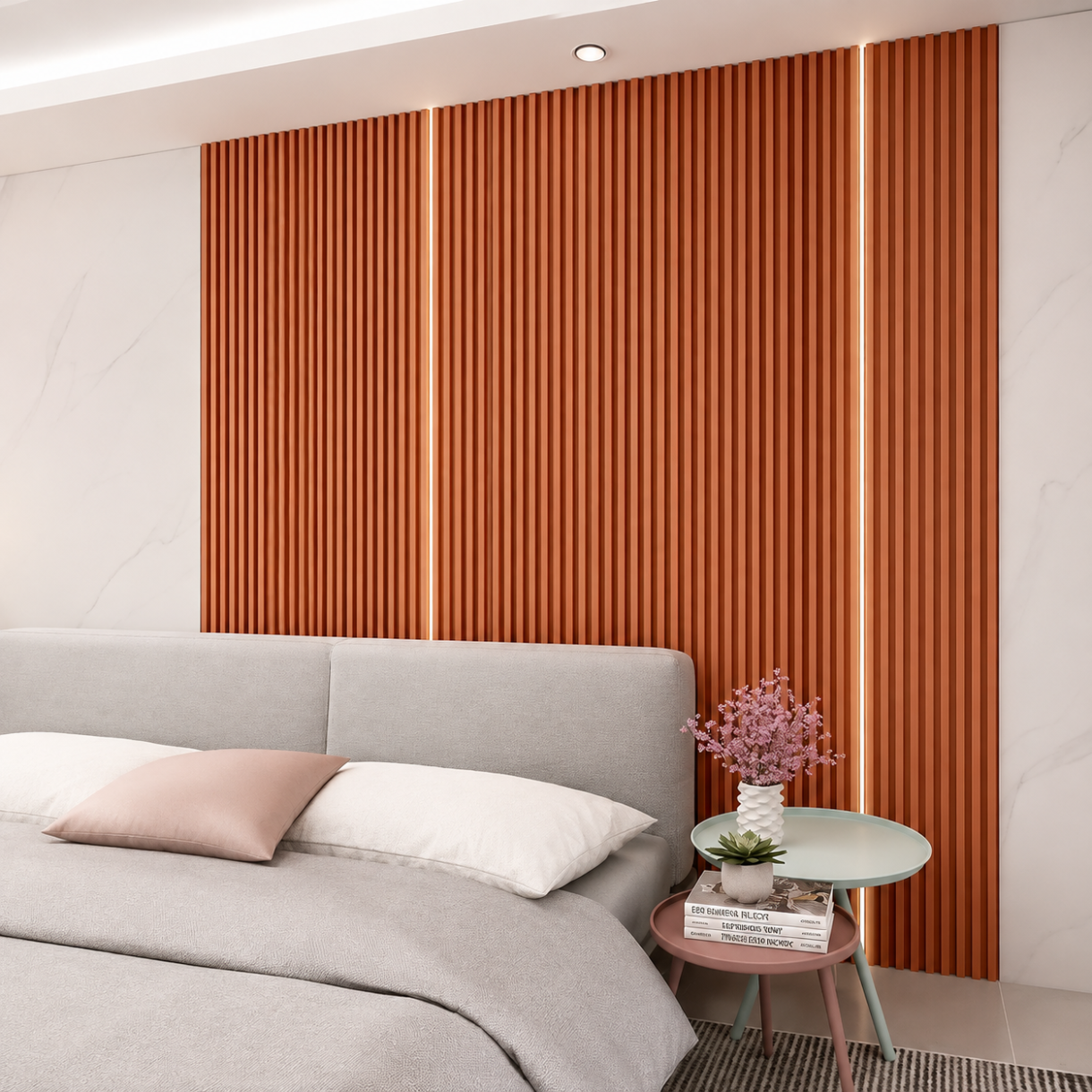
An Aluminum Great Wall Panel has repeated raised and recessed ribs. The profile creates strong horizontal or vertical lines and gives a wall more depth than a flat panel.
This type of aluminum linear wall panel can be installed vertically or horizontally. The rib width, groove width, panel depth and spacing can be changed to match the building elevation.
In this product range, “Great Wall Panel” refers to a formed aluminum decorative profile. It is not a PU or PIR insulated sandwich panel unless an insulation layer is specified in the quotation.
Typical applications include:
- Commercial building façades
- Entrance walls
- Shopping malls
- Office reception areas
- Exhibition spaces
- Corridors and passageways
- Column cladding
- Interior feature walls
Aluminum Wave Panels
Aluminum Wave Panels use curved or corrugated profiles to introduce rhythm and shadow to a wall. Depending on the viewing angle and lighting, the surface shows different levels of depth.
The wave profile can be shallow for a restrained appearance or deeper for a more visible three-dimensional effect. Wave direction, pitch, radius and panel length can be adjusted based on the design.
Corrugated aluminum wall panels are often selected for large wall areas because the repeated profile breaks up a plain surface without adding separate decorative components.
Product Specifications
| Item | Available Options |
|---|---|
| Product type | Flat panel, Great Wall profile, wave or corrugated profile |
| Material | Aluminum alloy; grade confirmed according to the project |
| Thickness | Selected according to panel profile, size and application |
| Panel width | Standard or custom width |
| Panel length | Produced according to drawings and transport limits |
| Rib or wave height | Custom |
| Rib spacing or wave pitch | Custom |
| Surface finish | Powder coating, PVDF coating, anodized finish or wood-grain finish |
| Color | Standard colors, RAL colors or approved physical sample |
| Installation direction | Horizontal or vertical |
| Fixing system | Supporting rails, concealed clips, screws or project-specific brackets |
| Perforation | Optional where the profile and design allow |
| Acoustic backing | Fiberglass or other sound-absorbing material can be considered for selected systems |
| Application | Interior or exterior, subject to material and finish confirmation |
| Packaging | Protective film with reinforced export packaging |
| Custom service | Profile, size, color, finish, perforation and installation details |
Final specifications should be based on approved drawings and samples. For exterior applications, the panel thickness, alloy, coating and fixing system must be selected according to the project location and structural requirements.
Why Use Aluminum Wall Panels?
Defined Architectural Profiles
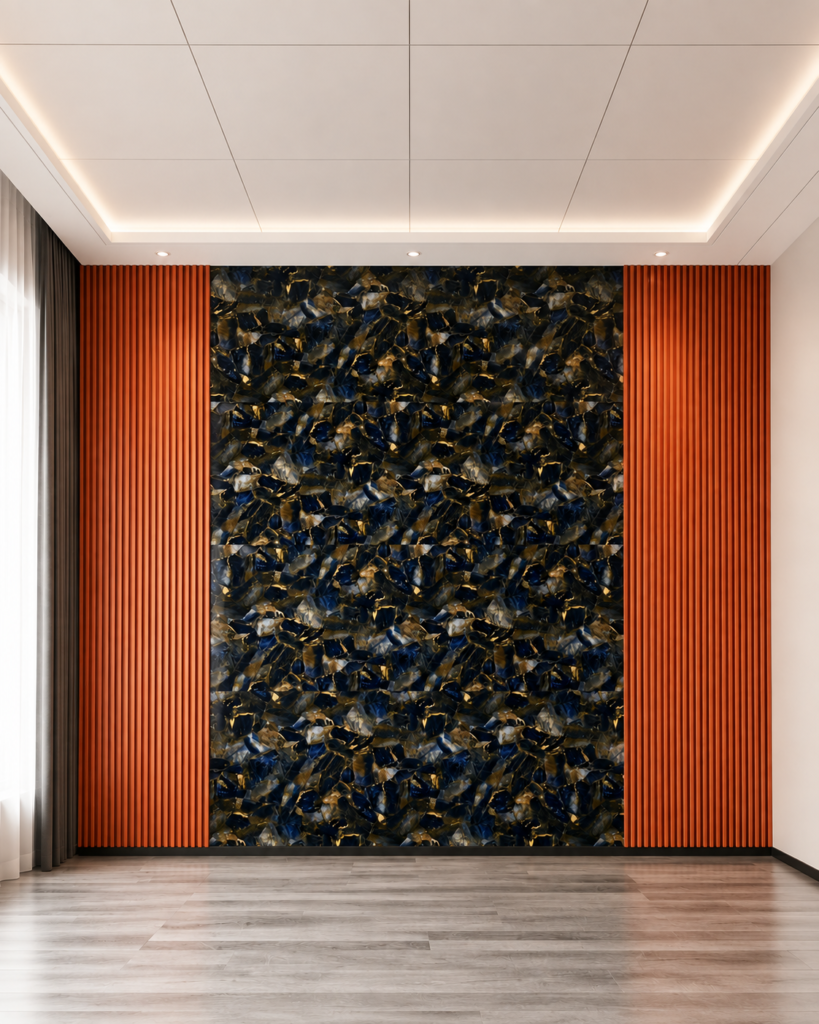
Flat, ribbed and wave-shaped panels give architects more control over scale, shadow and direction. A narrow rib creates a fine linear texture, while a deep wave produces a stronger visual effect.
Low Weight
Aluminum wall cladding adds less weight than many solid decorative materials. This can simplify handling and reduce the load placed on the supporting structure. Final structural calculations remain the responsibility of the project designer.
Flexible Surface Finishes
Aluminum panels can be supplied in solid colors, metallic finishes, wood-grain patterns and other approved finishes. The finish should be selected according to whether the panels will be installed indoors or outdoors.
Replaceable Modular Sections
When the wall system is designed in sections, individual panels can be removed for inspection, maintenance or replacement. The installation system should be reviewed before production so that panel joints and access points match the site conditions.
Support for Project-Based Production
Wall elevations often include corners, doors, windows, columns and equipment openings. Custom aluminum wall cladding can be fabricated with matching corner pieces, closures and transition profiles to reduce site modification.
Applications of Aluminum Alloy Great Wall Panels
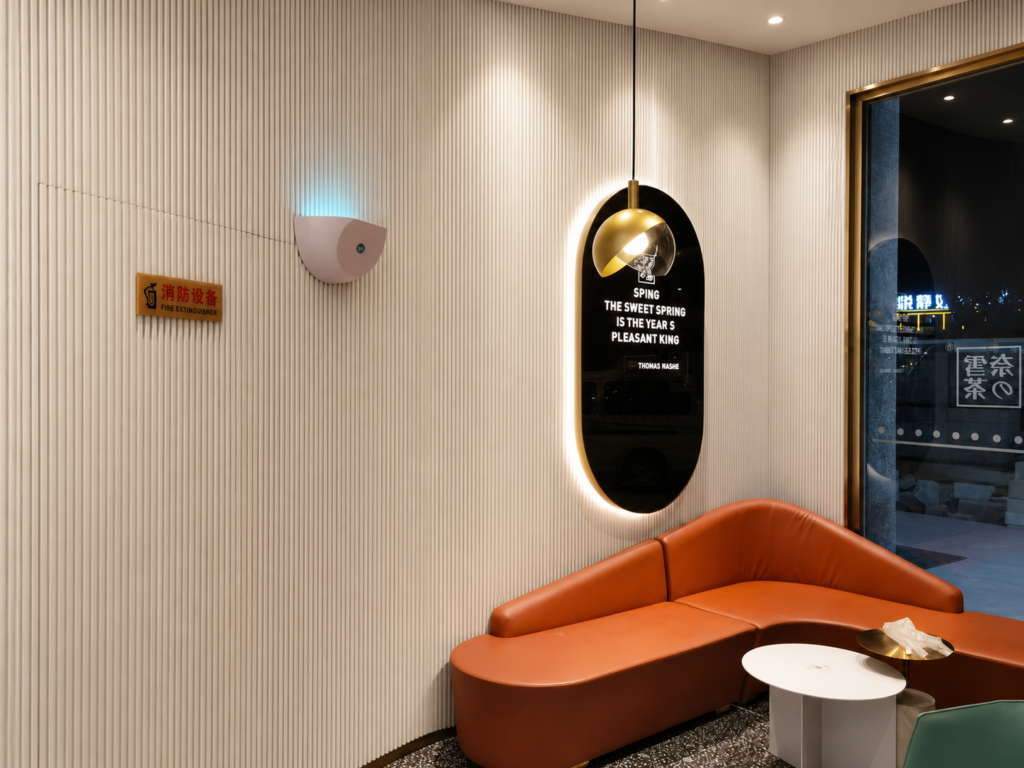
For interior projects, aluminum wall panels can be used in reception areas, offices, hotels, shopping centres, transport stations, schools and exhibition halls. The panel profile can help organize a large wall and connect it with the ceiling design.
For exterior applications, the alloy, coating, panel thickness, joint design and fastening system must suit local weather conditions. Coastal locations, high-humidity environments and buildings exposed to strong sunlight may require a different material and coating specification.
Project buyers should provide the installation location and expected environment when requesting a quotation.
Contact us for Aluminum Alloy Great Wall Panels based on your profile drawings, wall dimensions and project requirements.
Acoustic Options
A solid aluminum wall panel is mainly a decorative and protective material. It should not be described as an acoustic panel unless the system includes suitable perforations, sound-absorbing material and a designed air cavity.
For projects that require sound absorption, selected aluminum wall panels can be perforated and combined with fiberglass acoustic material. The perforation pattern, open area, acoustic backing and installation depth affect the finished system.
Acoustic performance should be supported by test data for the specified panel construction rather than by a general claim about aluminum panels.
Customization Process
Our project process normally begins with the wall elevation, profile drawing or reference image.
- The buyer provides the required profile, dimensions, quantity and application.
- We review the rib spacing, wave depth, panel length and installation method.
- A drawing or profile section is prepared for confirmation.
- Color and surface finish are confirmed by color code or physical sample.
- A sample can be produced before the main order when required.
- Production begins after the drawing and sample are approved.
- Panels are protected, labelled and packed according to the shipment plan.
This process helps prevent problems such as incorrect profile dimensions, inconsistent joint widths, color differences and installation conflicts.
Quality and Inspection
Quality control should focus on the details that affect installation and appearance:
- Aluminum material and thickness
- Profile dimensions
- Panel length and width
- Straightness
- Rib or wave consistency
- Hole and slot positions
- Surface color
- Coating condition
- Edge fabrication
- Matching accessories
- Protective film
- Packaging strength
Material certificates, coating information and available test reports can be confirmed before placing an order. Fire, weather-resistance and acoustic requirements should be based on the complete panel system and the standards required by the destination market.
Information Required for a Quotation
To prepare an accurate quotation for custom aluminum wall panels, please provide:
- Product profile or reference image
- Section drawing, if available
- Panel width and length
- Aluminum thickness
- Rib height or wave depth
- Rib spacing or wave pitch
- Surface finish and color
- Interior or exterior application
- Total quantity
- Installation drawings
- Project country
- Required standards or test reports
- Delivery port
If the complete drawing is not available, provide the wall dimensions and the intended visual effect. We can review the information and suggest a workable panel arrangement.
Frequently Asked Questions
What is the difference between an Aluminum Great Wall Panel and an Aluminum Wave Panel?
A Great Wall Panel uses repeated straight ribs and recessed grooves. An Aluminum Wave Panel uses curved or corrugated profiles. The Great Wall profile creates sharper linear shadows, while the wave profile produces a softer transition across the surface.
Can the profile dimensions be customized?
Yes. Rib width, groove width, panel depth, wave pitch, wave radius and panel length can be adjusted according to the production method and project requirements. A section drawing should be approved before production.
Can aluminum wall panels be used outdoors?
Yes, when the correct aluminum alloy, thickness, coating and installation system are selected. The project location, wind conditions, humidity and exposure to sunlight should be provided before quotation.
Are these panels fireproof?
Aluminum is a non-combustible metal, but the fire classification of a finished wall system also depends on coatings, backing materials, insulation and installation components. The required fire standard should be confirmed before the order.
Can sound-absorbing material be added behind the panel?
Yes, for selected perforated wall panel systems. Fiberglass acoustic material or another specified backing can be installed behind the perforated aluminum surface. Acoustic performance depends on the complete construction.
How do you control color consistency?
The color is confirmed through a RAL code or approved physical sample. Panels from the same project should be produced under a controlled batch plan. Buyers should also keep spare panels from the same production batch for future replacement.
Can you produce corner and transition pieces?
Yes. Internal corners, external corners, end closures and transition profiles can be fabricated according to the installation drawings.
How are the panels protected during shipment?
The finished surface is normally covered with protective film. Panels are separated and packed with reinforced export materials to reduce scratches, deformation and movement during transport. The packing method is adjusted according to panel size and shipping method.
Project Support from Drawing to Delivery
Choosing an aluminum wall panel is not only a matter of selecting a color. The profile, joints, supporting structure, installation direction and transport length must work together.
We support distributors, contractors, builders and project buyers with custom profiles, drawing confirmation, sample production, OEM/ODM orders and export packaging.
Contact us with your profile drawing, wall dimensions or reference image to receive a project-based recommendation and quotation.